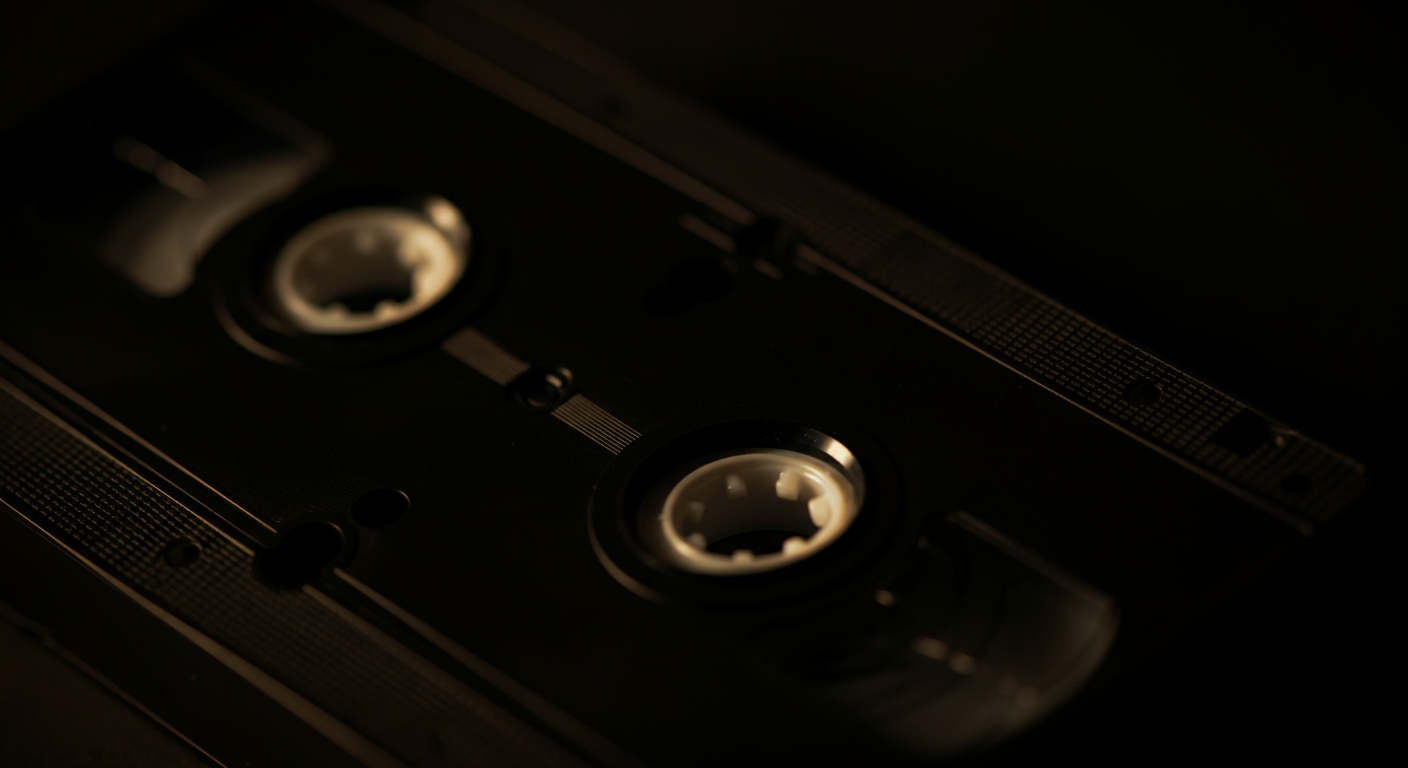
Digitizing old family videos like VHS and MiniDV is crucial as magnetic tapes degrade over time. Once converted to digital files, a private family network like Kinnect offers a secure, permanent home to share these irreplaceable memories, ensuring they are not lost on a hard drive or buried in noisy group chats.
Digitizing old family videos means converting analog formats like VHS, Hi8, or MiniDV tapes into digital files (like MP4s). This process preserves the footage from physical decay, makes it easy to watch on modern devices, and allows you to share these precious moments with family members anywhere in the world.
I remember the sound of our old VCR whirring to life. The static, the click, and then—magic. My dad, twenty years younger, laughing in the backyard. My grandmother, who I barely got to know, holding me as a baby. Those tapes aren't just plastic and magnetic ribbon; they are the closest thing we have to a time machine. But that machine is breaking down. Every year, the magnetic tape degrades, the colors fade, and the sound warps. The players needed to watch them are becoming relics.
This isn't just about nostalgia; it's about closing a painful gap. Our research at Kinnect identified a heartbreaking 'Legacy Preservation Gap': 85% of adults report they wish they had recorded their parents' voices before they passed, yet only 12% have a system for doing so. Those tapes in your attic? They are those voices. They are the laughter, the stories, the everyday moments we ache to hear again. Saving them is one of the most important gifts you can give your family.
3 Ways to Digitize Your Family's Home Movies
3 Ways to Digitize Your Family's Home Movies
Getting those memories off the tapes and into a safe, digital format is easier than you think. You have three main options, each with its own trade-offs.
- The Professional Service Route (Easiest): Companies like Legacybox or local photo shops specialize in this. You mail them your tapes, and they send you back the originals along with digital files on a thumb drive, cloud link, or DVDs. It's the most hands-off option and often yields high-quality results, but it can be the most expensive, especially for large collections.
- The DIY Hardware Route (Most Control): For the more tech-savvy, you can buy an analog-to-digital converter (they're surprisingly affordable online). You'll connect your old VCR or camcorder to your computer and use software to capture the video in real-time. It's time-consuming, but it's the most cost-effective method for a big box of tapes and gives you total control over the quality and format.
- The Local Camera Shop (The Hybrid): Don't forget your local video or camera shop! Many still offer digitization services. This can be a great middle ground, offering professional quality without the hassle and risk of shipping your only copies across the country.
The Real Final Step: A Permanent Home
Once you have those MP4 files, the job is only half-done. A thumb drive gets lost in a drawer. A hard drive will eventually fail. The real goal is to bring these memories back into the life of your family. In families with regular storytelling traditions, children show 37% higher scores on family cohesion measures (Source: Journal of Family Psychology, 2008). Sharing these old videos is one of the most powerful ways to build that tradition.
Those digital files are priceless. Don't let them get lost on a hard drive or buried in the 'Messaging Noise' of a family group chat. Kinnect was built to be the permanent, private home for these moments—a living archive where your family can connect with your history, tag the people in the videos, and share stories across generations. Kinnect is now LIVE! Create your family's private space today.
Learn more about Kinnect and Download on the App Store.
Frequently Asked Questions
Why is it important to digitize VHS tapes?
It's crucial to digitize VHS tapes because the magnetic tape they're made from degrades over time, causing video and audio quality to fade permanently. VCR players are also becoming rare and difficult to repair, making digital files the only reliable way to preserve and share these memories for the future.
How much does it cost to digitize home movies?
The cost varies widely depending on the method. Professional mail-in services typically charge between $15 to $30 per tape. A DIY analog-to-digital converter is a one-time purchase of around $40-$80, making it more economical for large collections.
What is the best format to save digitized videos?
The best and most common format is MP4 (using the H.264 codec). It offers an excellent balance of high video quality and manageable file size, and it's universally compatible with almost every modern phone, computer, and smart TV.
