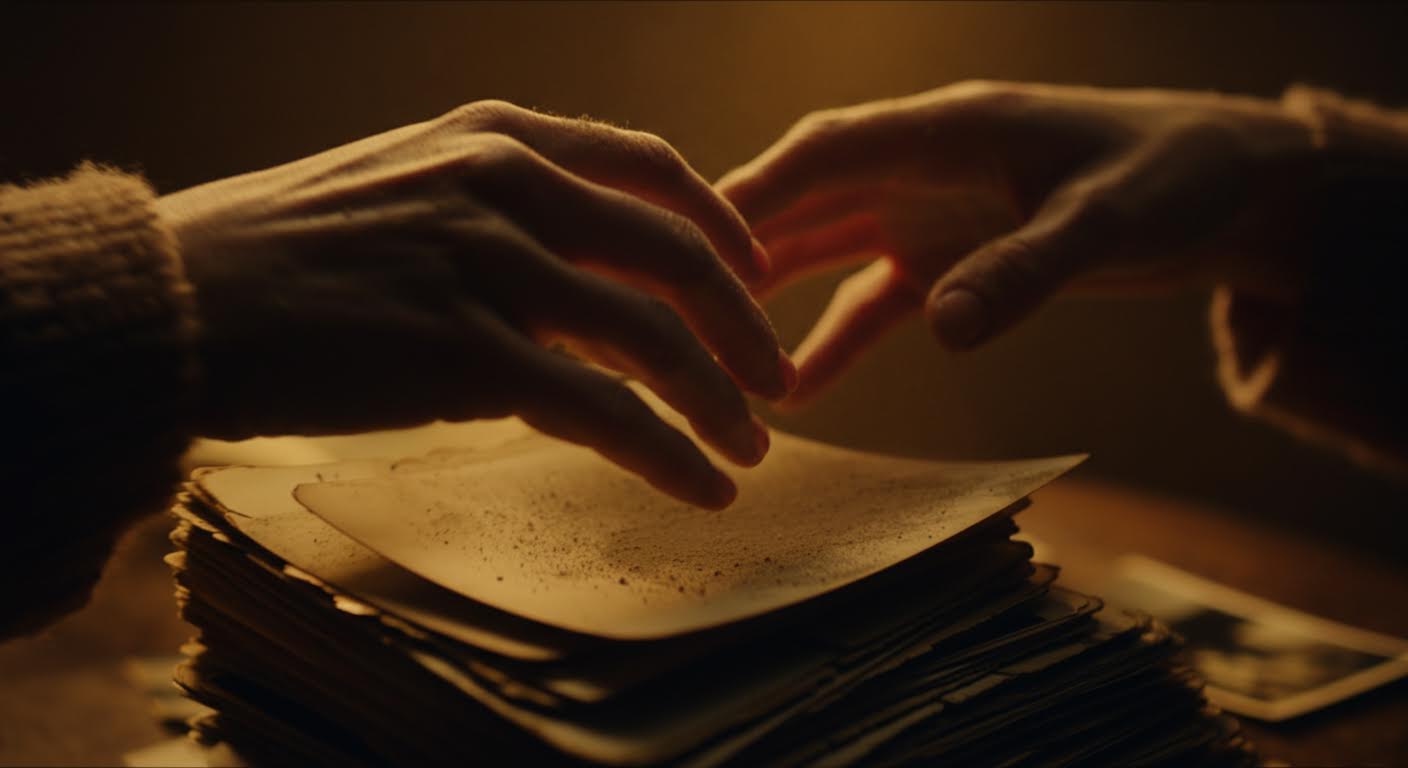
Gathering parents' childhood memories is the process of actively recording their personal stories, experiences, and recollections from their youth. This practice aims to preserve family history, strengthen intergenerational bonds, and create a lasting legacy of personal narratives that might otherwise be lost over time.
I remember the moment it hit me. I was watching my dad tell a story about his first car, a rusty old thing he loved, and I realized with a jolt that I’d never heard it before. How many other stories were there? How many parts of him—the young man, the new husband, the scared father—did I not know? That quiet panic is real. It’s the fear that the library of their life, the one that explains who you are, will close without you ever having read the most important chapters. The good news is, you've started collecting those stories. The challenge, which no one talks about, is what comes next. It’s not about storage; it’s about story.
Most guides focus on the 'how-to' of recording—the apps, the questions, the tech. But they stop at the most critical point. They help you fill a box with puzzle pieces but offer no picture of what you're building. A folder of audio files or a stack of transcripts isn't a legacy; it's an archive. A legacy is a story that breathes, one that your children and their children can step into. The real work, and the real gift, is transforming those raw, scattered memories into a cohesive narrative that carries your family’s heart forward.
Kinnect is now LIVE! Start your private family group today.
👉 Try Kinnect on the Web
👉 Download the iOS App
From Raw Stories to a Cohesive Narrative: Your 3-Step Curation Plan
Step 1: The Thematic Sort
Your first instinct might be to organize everything chronologically. Resist it. A life isn't lived as a timeline; it's experienced as a series of moments and feelings. Instead, create thematic buckets. Listen through the recordings and tag each story with themes like 'Lessons in Resilience,' 'First Job Jitters,' 'How We Met,' 'Hard Times We Survived,' or 'Pure, Simple Joy.' This approach allows you to see the emotional architecture of their lives. You're not just building a biography; you're mapping their spirit. This method also beautifully accommodates conflicting accounts from different family members—they become different facets of the same theme, not errors in a timeline.
Step 2: The Narrative Weave
With your themes in place, you can start weaving. Look for the threads that connect the stories. Maybe the resilience your mom learned during a tough childhood is the same strength she used when raising you. Connect those dots explicitly. Write short introductions to each thematic chapter. For example: "To understand where Dad got his work ethic, you have to start with his first job delivering newspapers at dawn..." You are now the curator, the storyteller who provides context and turns a collection of anecdotes into a compelling family saga. Remember, in families with regular storytelling traditions, children show 37% higher scores on family cohesion measures than in families with few shared stories. You are actively building that cohesion for the future.
Step 3: The Living Legacy Project
Now, give the story a form that can be easily shared and cherished. An archive is passive; a project is an invitation. Here are a few ideas beyond a simple photo album:
- The Family Podcast: Edit the best audio clips into a private, multi-episode podcast. Create one episode for each theme, with you as the narrator providing context. Your voice connects their past to your present.
- The 'Book of Wisdom': Transcribe the stories that contain life lessons and compile them into a beautifully printed book. This isn't just about what happened, but what was learned.
- The Interactive Digital Timeline: Use a simple web tool to place key stories, photos, and audio clips on a timeline that also includes major world events. This helps younger generations understand your parents' lives in a broader historical context.
The Hidden Variable: Emotional Truth Over Factual Purity
Conventional wisdom tells us to preserve history with perfect accuracy. But in families, that’s a trap. The most important part of a memory isn't the exact date or location; it's the feeling it carries. If your mom and her sister remember the same holiday differently, don't try to 'correct' one. Instead, embrace both versions. The 'hidden variable' in a powerful family legacy is the emotional truth. Your goal isn't to create a Wikipedia entry for your family. It's to build a of feelings—of love, struggle, and laughter—that your descendants can wrap themselves in. This is especially true when we see the data on the Legacy Preservation Gap: 85% of Gen X adults report they wish they had recorded their parents' voices before they passed, yet only 12% have a system for doing so. The urgency is to capture the feeling, not just the facts.
Once you've woven these stories into a true legacy, it needs a permanent, private home. It needs a place safe from the data mining of public social media and the chaos of group texts. It needs a space designed for connection, where these stories can be shared, discussed, and added to by the next generation. It needs a home built for family.
Frequently Asked Questions
How do I ask my parents about their childhood?
Start casually, not with a formal interview. Pick a relaxed moment, perhaps while looking at an old photo or cooking a family recipe. Use gentle, open-ended prompts like, "I was thinking about your old house... what's one thing you loved about it?" or "What kind of trouble did you get into as a kid?"
What are good questions to ask about childhood memories?
Focus on sensory and emotional details rather than just facts. Ask, "What did your childhood home smell like?" or "Who was your first best friend and what did you do for fun?" Questions like "What was a challenge you overcame that you're proud of?" can also uncover powerful stories of resilience and character.
How do you document your parents' life story?
Use the tools they are most comfortable with. A simple voice recording app on a smartphone is often the easiest way to capture the emotion in their voice. For photos and documents, use a scanner app to digitize them, and immediately add a note about the who, what, and when. The key is to combine the audio, visual, and written elements into one organized, private space.
Learn more at Kinnect.
