This guide offers a framework for identifying a teen's specific type of boredom, from creative voids to social loneliness, and suggests targeted at-home activities for each. Platforms like Kinnect help families share these moments and build lasting connections in a private, permanent space.
At-home activities for bored teens are recreational, educational, or creative pursuits that can be done within the home environment to combat feelings of listlessness and disengagement. These activities range from individual hobbies and skill-building exercises to collaborative family projects designed to foster connection and personal growth.
Save the good moments — not another group chat
After the activity, put the win in a private Kinnect space: Storybooks (chapters), Kin Groups, Echo, Vault, living Family Tree. Invite-only. No ads.
Invite the people who belong. · Family Membership $20/year · six seats.
👉 See Storybooks — life chapters, private
👉 Join — open your Kin Group
👉 Family Membership $20/yr · six seats
👉 Get the iOS app
Is ‘I’m bored’ the unofficial soundtrack of your home? I get it. I remember hearing it, and I remember feeling it myself. That heavy, restless feeling isn't just about a lack of things to do. It’s a signal. Before we just throw another list of 101 generic ideas at them, let's try something different. Let's figure out *what kind* of bored they are. Because a teen who feels lonely needs a different answer than a teen who feels uninspired.
First, Understand the Boredom: The 4 Archetypes
Instead of a massive list, we’ve broken down boredom into four common 'moods' or archetypes. Find the one that feels most true for your teen right now, and you’ll find a small list of ideas that actually help.
Archetype 1: The Restless Mover (Physical Boredom)
This is for when they have pent-up energy and feel like they’re going to climb the walls. Their body needs to move, not just their mind.
- Build a Home Workout Circuit: Use household items like chairs for dips and water jugs for weights.
- Master a TikTok Dance: Pick a trending (and appropriate) dance and spend an hour learning it together.
- Rearrange Their Room: A total room refresh can completely change their energy and perspective.
- Have a Balloon Volleyball Match: Clear a space in the living room for a low-stakes, high-laughter game.
- Learn Basic Parkour Moves: Find a beginner's tutorial on YouTube for safe indoor vaults and balances.
Archetype 2: The Creative Void (Inspirational Boredom)
This is when they feel blah and uninspired. Their brain is craving a spark, a new way of seeing or making something.
- Start a 'Junk Journal': Use old magazines, ticket stubs, and random paper to create a visual diary. No rules, just collage.
- Try a Bob Ross Tutorial: Pull up an episode on YouTube. The goal isn't a masterpiece; it's the joy of 'happy little trees.'
- Write a Story from a Weird Prompt: Use a random prompt generator online, like 'A vampire who is afraid of the dark.'
- 'Upcycle' an Old Piece of Clothing: Turn old jeans into a bag or a t-shirt into something new with some scissors and thread.
- Animate a Flipbook: All it takes is a sticky note pad and a pen to bring a simple character to life.
Archetype 3: The Socially Starved (Lonely Boredom)
This is the deepest kind of boredom. It's not about a lack of activities, but a lack of connection. This is where the family can really step in.
- Plan a Themed Family Movie Night: Don't just watch a movie. Make themed snacks, dress up, and go all-in.
- Start a Family 'Book Club' (with a twist): It could be a movie, a podcast episode, or a single album. Discuss it over dinner.
- Play a Co-op Video Game: Games like 'Overcooked' or 'Stardew Valley' require teamwork and are incredibly fun.
- Cook a Meal Together From Scratch: Find a recipe for something you've never made, like pasta or bread, and tackle it as a team.
- Record a Family 'Podcast' Episode: Use the voice memo app on a phone and interview each other about your week.
Archetype 4: The Future Planner (Anxious Boredom)
Sometimes, boredom is a mask for anxiety about the future. They feel stuck and unsure what to do next, so they do nothing.
- Create a Digital Vision Board: Use Pinterest or Canva to map out dreams for the next year—travel, skills, friendships.
- Learn One Practical 'Adulting' Skill: Watch YouTube to learn how to change a tire, sew a button, or cook three essential meals.
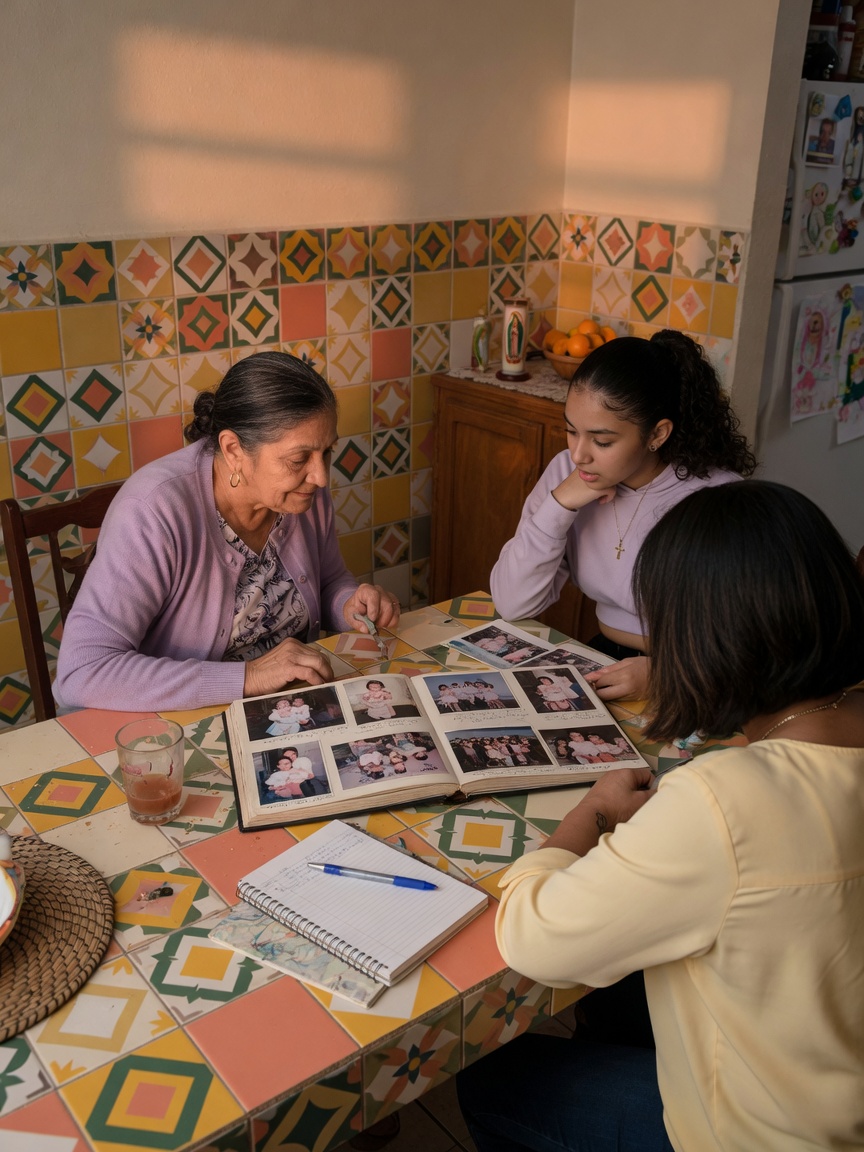
- Interview a Family Member About Their Career: Help them write questions and record a conversation with a relative about their job path.
- Take a Free Online Course: Sites like Coursera or edX have free introductory courses on everything from coding to psychology.
- Draft a 'Life Resume': Instead of jobs, list skills, accomplishments, and cool experiences they've had. It's a great confidence booster.
Beyond the Activity: Building a Legacy of Connection
Choosing the right activity is just the first step. The real magic happens in the moments you share while doing it. It’s the flour on your faces while trying to bake bread, the debate over which movie to watch, the story your uncle tells when you ask him about his first job. These aren't just ways to kill an afternoon; they are the building blocks of a strong family. In fact, research from the Journal of Marriage and Family found that families who share activities at least once a week show 36% stronger family cohesion scores.
My dad passed away a few years ago. And the things I miss most aren't the big holidays, but the small, quiet moments—the sound of his voice explaining how to fix my bike, the stories he'd tell about growing up. Those moments felt so ordinary at the time, but now, they're everything.
The Hidden Variable: The Legacy Preservation Gap
We often think about connection in the present, but there's a powerful, unspoken need to connect with our family's past and preserve it for the future. Kinnect's research uncovered a startling insight we call the Legacy Preservation Gap: 85% of Gen X adults report they wish they had recorded their parents' voices before they passed, yet only 12% have a system for doing so. An activity like interviewing a grandparent isn't just curing boredom; it's closing that gap. It's creating an artifact of love for a future you who will desperately want to hear that voice again.
It’s not just about finding something to do; it’s about creating moments that are worth keeping. That’s why we built Kinnect. It’s a private, permanent space for your family to save these moments—the video of you all trying a new recipe, the audio recording of grandpa's stories, the photo of the finished vision board. It's a digital home for your family's history, safe from the noise and data mining of public social media, built to be passed down through generations.
Why is my teenager so bored all the time?
Teenage boredom is often a normal part of development. Their brains are undergoing massive changes, pruning old neural connections while seeking new, high-novelty experiences. This can make everyday home life feel dull by comparison.
How can a teenager not be bored without a phone?
The key is to replace passive scrolling with active, tangible engagement. Introduce activities that involve their hands and senses, like cooking, building something, or creating art. Designating specific 'phone-free' times or zones in the house can also encourage them to find other outlets.
What can a 13 year old do when bored at home?
A 13-year-old is in a great spot to explore new hobbies that aren't too complex. Based on their boredom type, they could try 'upcycling' old clothes if they're in a creative void, or learning to cook a family recipe if they're feeling disconnected.
Learn more at Kinnect.
Keep reading
- how to get my teen off their phone (before it's too late)
- Reconnect with teenager holiday activities with family
- creative ways to spend time with family (finally fun!)
Shared activities are the perfect gateway to more meaningful conversations. Read our guide on making intentional family communication a real thing to take the next step.
Deep Dive: More Resources on This Topic
If you found this helpful, explore our related guides: