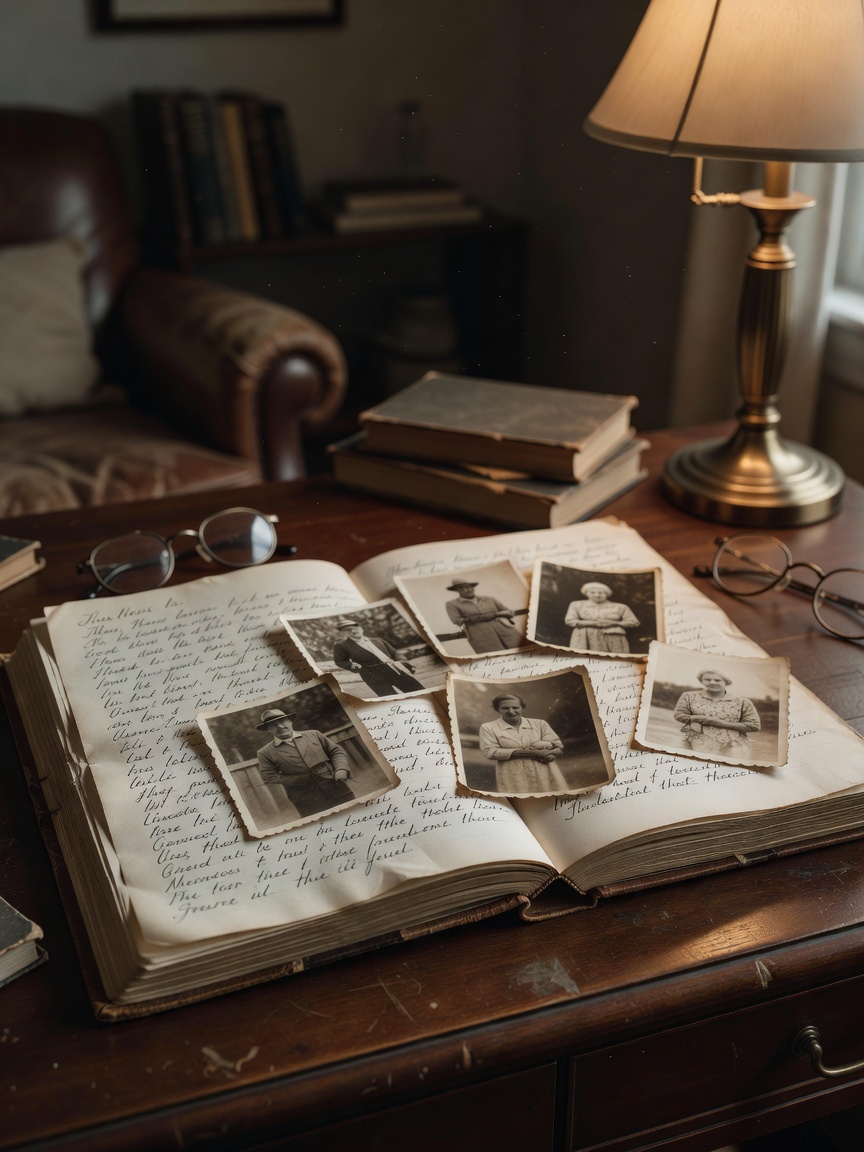
Preserving grandparents' stories for future generations is the process of capturing oral histories and transforming them into an organized, accessible archive. This goes beyond simple recording to include curating, indexing, and sharing audio, video, and transcribed narratives to ensure the family's legacy is both saved and engaged with.
You did it. You sat down with your grandfather, hit record on your phone, and captured two hours of his life story. The relief you expected, however, feels more like a new kind of anxiety. Now you have a massive audio file sitting on your desktop, a digital ghost in the machine. You captured the memory, but you haven't preserved the legacy. The real work—the work that ensures your kids will one day hear his laugh—starts now.
Let's shift your mindset from 'recorder' to 'archivist.' An archivist doesn't just save things; they make them findable and meaningful. This isn't about creating a perfect documentary. It's about building a living library your family will actually use. Here’s the system.
Kinnect is now LIVE! Start your private family group today.
👉 Try Kinnect on the Web
👉 Download the iOS App
Step 1: Triage and Log Your Recordings
Before you do anything else, create a simple log. This can be a spreadsheet or a simple text document. For each recording, note:
- File Name: Give it a clear, consistent name (e.g., Grandpa_John_Story_2024-05-10.mp3).
- Key Topics: List the main stories covered (e.g., Meeting Grandma, first job, immigrating from Italy).
- Timestamp 'Gold': As you listen, note the timestamps of the most powerful moments. (e.g., 23:15 - The story of his first car).
Step 2: Edit for Emotion, Not Perfection
You are not producing a podcast for the public. The goal is to isolate the moments that matter. Use a free tool like Audacity (for audio) or your phone's built-in video editor to clip out the 2-5 minute 'greatest hits.' Don't worry about ums, ahs, or long pauses—those are part of their voice. Focus on creating short, shareable story clips that can be enjoyed in a few minutes.
Step 3: Create a 'Greatest Hits' Collection
Once you have 5-10 powerful clips, group them into a dedicated folder or playlist. This collection is your starting point. It's the tangible legacy you can share immediately. It's no longer a daunting 2-hour file; it's a curated album of your family's most precious stories, ready for the next generation.
From Digital Dust to a Living Legacy
The Hidden Variable: The Preservation Gap
Conventional wisdom focuses entirely on the act of recording. But our research reveals a stark Legacy Preservation Gap: 85% of Gen X adults report they wish they had recorded their parents' voices before they passed, yet only 12% have a system for actually managing those recordings. The real challenge isn't hitting record; it's creating a system to ensure those recordings are ever heard again.
Step 4: Share in a Space Built to Last
A folder on a hard drive is a digital tomb. A link in an email gets lost. To make this a living legacy, the stories need a permanent home where the family can gather. Research shows that in families with regular storytelling traditions, children show 37% higher scores on family cohesion measures than in families with few shared stories (Source: Journal of Family Psychology, 2008). Sharing these stories isn't just about the past; it's about strengthening your family's future.
This is where public social media fails. Platforms like Facebook or group texts on WhatsApp are designed for fleeting, chronological content. Their business models rely on public broadcasting and ad revenue. Your grandfather's most important story gets buried under memes and logistical chatter in hours, lost in the noise.
This is why a permanent, private space is so crucial. It’s a place where these stories are the main event, not just content competing for attention. Kinnect was designed to be that digital living room, a safe and permanent archive where your family's most important memories can be organized, shared, and passed down without ever being sold or mined for data.
Frequently Asked Questions
How do you interview your grandparents for their life story?
Start with open-ended questions about specific life stages, like "Tell me about the house you grew up in" instead of "What was your childhood like?" Use old photos or objects to spark memories and let the conversation flow naturally rather than sticking to a rigid list.
What questions should I ask my grandparents to get to know them better?
Ask about their feelings and decisions. Try questions like, "What was the hardest decision you ever had to make?" or "What's a piece of advice you received that you'll never forget?" These questions reveal their character, not just their history.
How do I record my family's stories?
The best tool is the one you have. A modern smartphone's voice memo app is excellent for audio. For video, ensure the room is well-lit and quiet. The most important thing is to just start, rather than waiting for perfect equipment.
Learn more at Kinnect.
