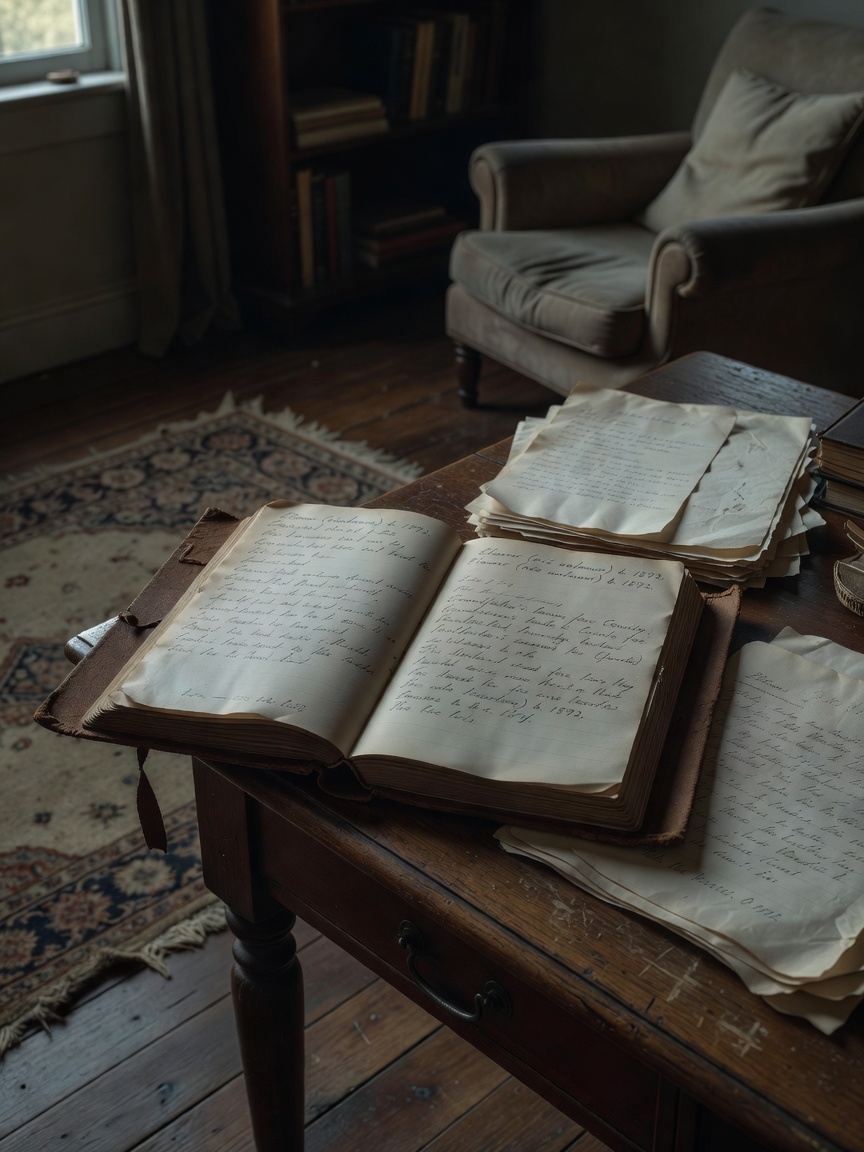
Genealogical research for unknown relatives is the process of discovering an ancestor's identity, such as a grandparent, by starting with internal family knowledge and artifacts before progressing to external resources like DNA testing or public records. This strategy prioritizes creating a foundational set of clues from which to launch a targeted investigation.
There's a specific kind of quiet ache that comes from not knowing your grandparents' names. It’s more than a blank space on a family tree; it feels like a missing piece of yourself. You see an old photograph of your mother as a little girl, holding a man’s hand, and you realize with a jolt you have no idea who he is. That connection, that history, feels like it’s floating just out of reach.
Most guides assume you have a name or a date to start with. They send you straight to vast, intimidating databases. But what if you have nothing? The key is to resist the urge to search online and instead become an archaeologist in your own home first.
Kinnect is now LIVE! Start your private family group today.
👉 Try Kinnect on the Web
👉 Download the iOS App
Phase 0: Gathering Clues from Your Own Life
Before you spend a dollar on a subscription or a DNA kit, you need to build a foundation. Your first clues are likely hidden in plain sight, in the memories and objects you already have access to.
- Interview Living Relatives: This is your most important first step. Sit down with your parents, aunts, or uncles. Don't just ask for names. Ask about moments. Use open-ended questions like, "What's the earliest memory you have of your mother?" or "Tell me about the house you grew up in." Listen for names of friends, towns, or workplaces that might be searchable later. The Legacy Preservation Gap is real; research shows 85% of Gen X adults wish they had recorded their parents' voices, but so few have a system to do it.
- Examine Physical Artifacts: Look at the backs of old photographs for handwritten notes. Examine old letters, postcards, or official documents like birth certificates or military papers that might be stored away. A postmark on a letter can reveal a city and a date, which are powerful clues.
- Map Family Stories: Every family has repeated stories—the one about how your parents met, or the time a relative did something funny or heroic. These stories often contain fragments of information: a neighborhood, a type of job, a specific time period. Write them down. Research from Emory University shows that children with deep knowledge of their family stories have up to 3x higher resilience; you're not just finding names, you're building strength.
From Clues to Names: Your Strategic Next Steps
Once you've gathered your initial clues in Phase 0, you can make a strategic choice about your next move. Your goal is to use the information you found to pick the most effective tool, not to search blindly.
Phase 1: Choosing Your Path
Based on what you discovered, one of these two paths will likely be your best next step:
Path A: DNA Testing
This is the most direct route if you're dealing with adoption, a total lack of living relatives, or family secrets that prevent people from talking. Services like AncestryDNA and 23andMe can connect you with genetic relatives. Your DNA matches might have already built the family tree you're looking for, giving you an immediate breakthrough.
Path B: Document Searching
If your Phase 0 investigation yielded a potential last name, a city, or a rough decade, you can begin a targeted search of public records. Start with free resources like the Social Security Death Index (SSDI) or local library access to genealogy websites. This path requires more patience but can often be done with little to no cost.
The Hidden Variable: Emotional Readiness
The search for unknown family is never just a research project. It's an emotional journey. Be prepared that you might uncover difficult truths—stories of hardship, family disputes, or information that changes your perception of your family. It's important to give yourself space to process what you find and, if possible, have someone you trust to talk to about the experience.
As you begin to uncover these names, dates, and stories, the challenge shifts from finding the information to preserving it. A scattered collection of notes, photos, and documents can quickly become overwhelming. This is where a dedicated, private space becomes essential—a place to build your story as you discover it, share it with the right people, and ensure it's never lost again.
Kinnect was created for this exact purpose. It’s a private, permanent home for your family’s most important memories. You can document the names you find, upload the photos you unearth, and record the stories you hear from relatives, creating a living archive that connects your past to your future, all in one secure place, away from the data mining and noise of public social media.
Frequently Asked Questions
How can I find out my family history without any information?
Start by becoming a family historian in your own home. Interview living relatives with open-ended questions about their memories, and carefully examine old photos, letters, and documents for names, dates, or locations. This 'Phase 0' creates the foundation of clues you need before moving to online databases.
How can I find my biological grandparents for free?
Focus on free resources first. Conduct thorough interviews with all known family members. Use the free search features on sites like FamilySearch and leverage your local library, which often provides free access to paid genealogy databases like Ancestry.com. Searching the Social Security Death Index is also a free and valuable tool.
How do I find a grandparent I never knew?
Begin with what is known: your parents. Interview them and their siblings to gather any fragments of memory, no matter how small. If this yields a potential name or location, proceed with a document search. If you have no leads, a DNA test is often the most effective next step to connect with relatives who may have the answers.
Learn more at Kinnect.
