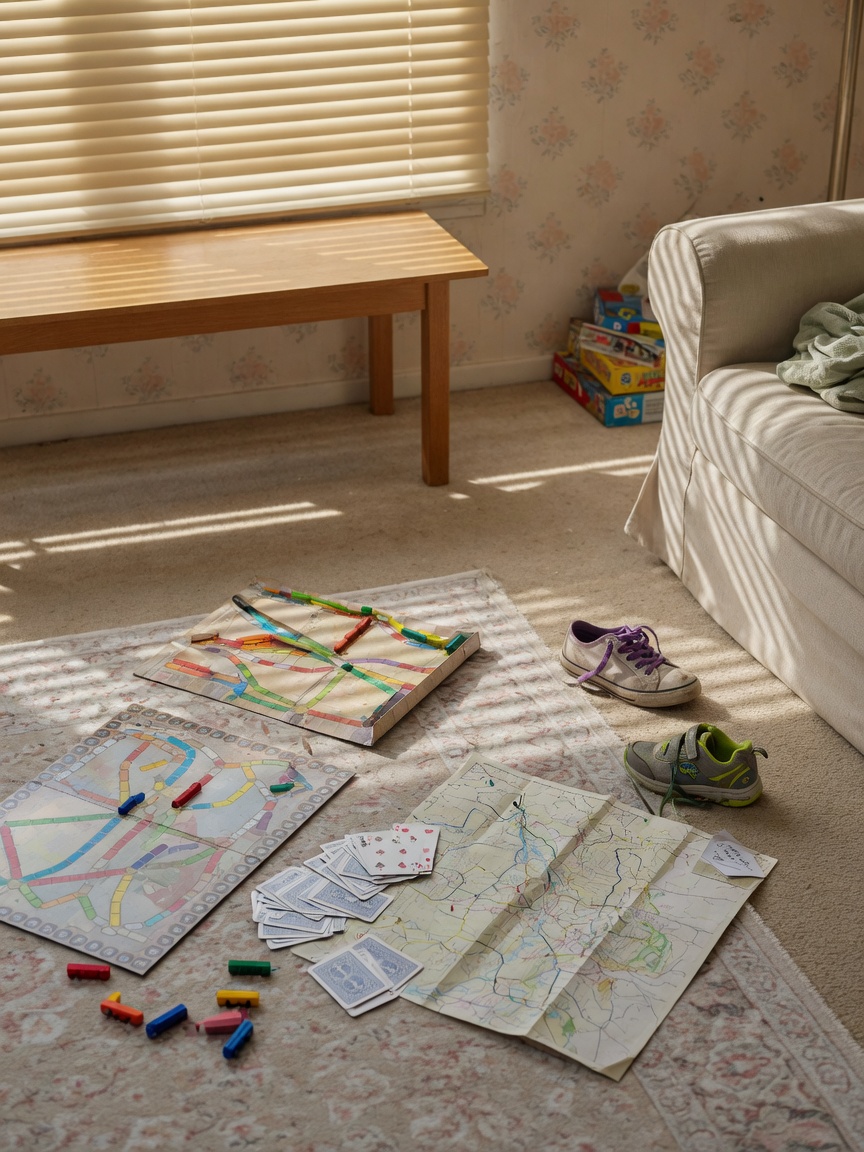
Screen-free family activities are shared recreational experiences that do not involve the use of digital devices like smartphones, tablets, or televisions. The goal is to foster direct interaction, communication, and bonding among family members through hands-on, creative, or physical pursuits, strengthening familial relationships away from digital distractions.
I remember the silence. It wasn't a peaceful quiet; it was the sound of a family sitting at the same table, worlds apart, each staring into a glowing rectangle. After I lost my dad, I'd have given anything for one more of our rambling, unfocused dinner conversations. Instead, I see families, mine included sometimes, scrolling past each other. The anxiety is real: we're losing the art of deep conversation, and we're desperate to get it back. But telling everyone to just 'put their phones away' often ends in a fight, not connection.
The secret isn't just finding new activities. The secret is in the how. It’s about creating a gentle transition away from the screen, not ripping it away. This isn't about a rigid digital detox; it's a playbook for inviting your family back to each other.
Kinnect is now LIVE! Start your private family group today.
👉 Try Kinnect on the Web
👉 Download the iOS App
Step 1: Call a 'Dream' Huddle (Not a Lecture)
Instead of announcing a new 'rule,' frame it as a shared goal. Gather everyone and ask a simple question: "What's one fun thing we wish we did more of as a family?" Don't mention phones yet. Let them dream. Maybe it’s camping, building a massive fort, or learning your grandmother’s recipes. This shifts the focus from what you're losing (screen time) to what you're gaining (memorable experiences). You're not the enforcer; you're all co-conspirators in a plot to have more fun.
Step 2: Create an 'Invitation,' Not an Assignment
The next step is to make the screen-free world more compelling than the digital one. An 'invitation to play' is a low-pressure way to spark curiosity. Leave a half-finished jigsaw puzzle on the coffee table. Put a deck of cards out after dinner. Lay out a basket of old family photos with a note that says, "Who is this?" It’s not a demand to participate; it’s a quiet, intriguing question mark that pulls people in naturally.
Step 3: Master the 'Boredom Bridge'
The moment will come. "I'm bored." It's the biggest hurdle. Our instinct is to solve it immediately, often by handing over a device. Instead, see boredom as the doorway to creativity. Validate the feeling: "I get it. Feeling bored is tough." Then, build a bridge. Don't offer a full solution. Offer a starting block: "I wonder what we could build with these cardboard boxes?" or "Let's see if we can find five different kinds of leaves in the backyard." You're not entertaining them; you're empowering them to entertain themselves, and you're right there to help.
Your Unplugged Activity Toolkit & The Truth About Connection
Once you have a strategy for the transition, having a few ideas ready can help. Think of these not as a checklist, but as starting points for your family's 'dream' huddle. The goal isn't just to pass the time; it's to create a story you can all tell later.
- The Storytellers' Circle: Start a story with one sentence and have each person add the next. The results are always hilarious and reveal so much about how each person's mind works. This simple act of family storytelling is incredibly powerful. Research from Emory University found that children who know more about their family's history show up to 3x higher resilience and self-esteem.
- The Neighborhood Explorer's Log: Create a family 'logbook' and go on a walk with a mission. Document interesting birds, weird lawn ornaments, or friendly dogs. Draw maps, take notes, and turn a simple walk into a grand expedition.
- The Collaborative Kitchen: Don't just cook for your family; cook with them. Pick a recipe where everyone has a job, from the youngest stirrer to the oldest chopper. The shared meal tastes better when everyone helped make it.
The Hidden Variable: The 'Messaging Noise' Phenomenon
We often think that constant digital contact, like a family group chat, equals connection. But our research at Kinnect shows a startling trend we call 'Messaging Noise.' We found that 70% of family group text messages are logistical noise—memes, 'ok' replies, and scheduling updates. These messages bury the meaningful conversations. True connection isn't about the volume of messages; it's about the quality of the moments you share. An hour spent building a lopsided fort together, screen-free, creates a deeper bond than a hundred 'thumbs up' emojis ever could.
These moments of shared laughter and storytelling are fragile. They are the foundation of a family's identity, but they can get lost in the noise of a thousand notifications and public social feeds. Creating a dedicated, private space to save and share these memories is just as important as creating the time for them. Kinnect was built for this very reason—to be a permanent home for your family's most important stories, away from ads and algorithms, where every interaction is about connection, not coordination.
Frequently Asked Questions
Why is it important to have family time without screens?
Family time without screens fosters direct communication, eye contact, and shared experiences that are crucial for emotional bonding. It allows for deeper conversations and the creation of lasting memories that aren't interrupted by notifications, strengthening family cohesion and individual resilience.
How do I entertain my child without a screen?
Focus on 'invitations to play' rather than structured activities. Set out art supplies, building blocks, or a board game and let their curiosity lead the way. Engaging them in everyday tasks like cooking or gardening can also be a powerful form of screen-free entertainment and learning.
What is the best way to start a screen-free family day at home?
The best way is to plan it together. Hold a 'family huddle' to brainstorm ideas so everyone feels invested in the day's success. Start with a special breakfast and have a loose schedule of one or two main activities, leaving plenty of room for spontaneous fun like building a fort or reading aloud.
Learn more at Kinnect.
